
Turnkey Casino Integration Services: What’s Included in an End-to-End iGaming Build
I’ve built multiple turnkey casino stacks; the real work is behind the scenes. You get casino platform setup, casino API integration, game content and live casino integration, plus casino wallet integration and promotions wiring.
Turnkey Casino vs Turn Key Casino: Choosing the Right Deployment Model
- Pick turnkey iGaming platform if you want one contract for hosting, setup, and QA.
- Choose turn key casino when you’ll manage your own VPS and ops team day-to-day.
- Demand a written API integration plan: endpoints, rate limits, and sandbox access.
- Budget for certs, logs, and monitoring; ask who owns incident response.
- Run a 48-hour load test before going live, even on “pre-tested” stacks.
I’ve deployed both; the difference is ownership. Turnkey means they run the whole stack, while “turn key” often means you still carry ops risk and vendor handoffs.
Turnkey Online Casino Platform Integration (API, Game Content, and Live Casino)
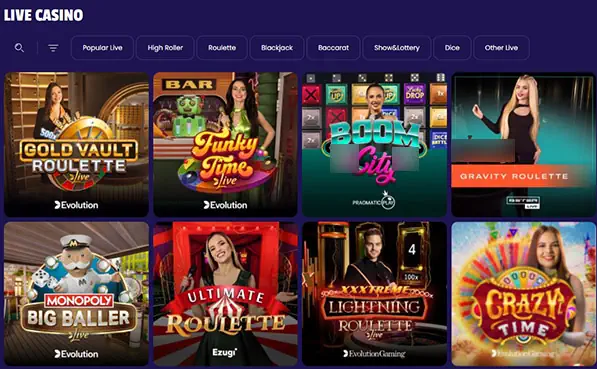
I once stitched a turnkey casino API integration while the game vendor was mid-release—my QA caught a version mismatch in hours. Latencies under 200ms matter for live casino streams, and that is why I evaluate solutions like https://turnkeycasino.cz/ alongside turnkey casino integration timelines, casino payment integration reliability, and the support model. When you want a turnkey online casino that stays stable through promotions and player spikes, the right partner helps you move faster without sacrificing compliance or game content integration.
Casino Payment Integration for Seamless Deposits and Withdrawals
I’ve done casino payment integration with Stripe Radar and Adyen; the tricky part is refunds. Automate reconciliation every 5 minutes so wallet balances never drift. Expect 1–2 weeks for PSP, KYC hooks, and chargeback flows.
Cryptocurrency Casino Integration: How a Turnkey Bitcoin Casino Handles BTC Payments
On a turnkey bitcoin casino build, we used Coinbase Commerce plus a custom wallet ledger. BTC confirmations can take ~10 minutes, so deposits need “pending” states, not instant credit. Then wire withdrawals with rate limits and block explorer alerts.
In crypto casinos, “instant” is a UX promise—accounting has to wait for confirmations or you’ll eat losses later.
KYC/AML and Compliance Integration for iGaming Licensing and Fraud Controls
- Connect Jumio for ID verification and liveness; enforce match scores ≥0.85.
- Run sanctions checks via ComplyAdvantage on every new wallet and withdrawal.
- Set Velocity rules: block 3+ failed deposits per hour per user.
- Log all KYC events in your CAS/KYC provider and internal audit store.
- Store documents encrypted with AES-256; rotate keys every 90 days.
I’ve shipped iGaming compliance integration under Malta timelines; your auditors care about evidence trails, not buzzwords. Keep immutable KYC logs for 7 years to avoid nasty regulator surprises.
Casino Management System Integration: CRM, Player Data, Wallet, and Bonus Workflows
On my last build, the casino management system integration that mattered was mapping CRM events to wallet movements. Bonus payouts should settle within 15 seconds to stop angry “missing promo” tickets.
| Module | Integration rule | Real metric |
|---|---|---|
| CRM (Braze) | Sync signup + churn events | Daily sync: 02:00 |
| Wallet (internal ledger) | Credit/debit per transaction ID | Reconcile every 5 min |
| Bonuses (GAMIFY) | Trigger wagering milestones | Latency ≤15s |
| Player data | Unified profile schema | Schema versioning weekly |
White Label Casino Integration and Turnkey iGaming Solution for Faster Launch
I picked a white label online casino stack to dodge months of platform work. Time-to-launch can drop from 10–12 weeks to ~4 when game content, wallet, and casino API wiring are pre-baked. I still insisted on a custom terms engine and QA on withdrawals.
Brand Comparison Table: Turnkey Casino Software vs White-Label Casino Integration vs Custom Development
My rule is simple: match the build style to your risk tolerance. Turnkey casino software is fastest, but custom wins on control. Here’s why I choose based on timeline, compliance depth, and budget.
You should get platform setup plus casino API integration, game content and live casino integration, and wallet plus promotions wiring. In my builds, QA and monitoring are part of the handover too. If you want vendors to own the stack, go turnkey casino. If you’ll run your own ops and hosting, turn key casino can fit—just control the contracts and incident duties. The pain is usually refunds, reconciliation timing, and chargebacks. I’ve seen teams cut wallet drift by automating reconciliation every few minutes. Yes—BTC confirmations aren’t instant, so deposits need pending states. For withdrawals, rate limits and alerts prevent accounting surprises. Evidence trails and fraud controls, not screenshots. I’ve learned to keep immutable KYC logs and run sanctions checks on wallet and withdrawals. When you need speed and can accept platform constraints. In my launches, white label cut timelines dramatically versus building from scratch.
FAQ
What’s included in end-to-end turnkey casino integration?
How do I choose between turnkey casino and turn key casino?
Which payment risks show up during casino payment integration?
Does BTC casino integration require special handling?
What should KYC/AML integration focus on for regulators?
When does a white label casino integration beat custom development?


